
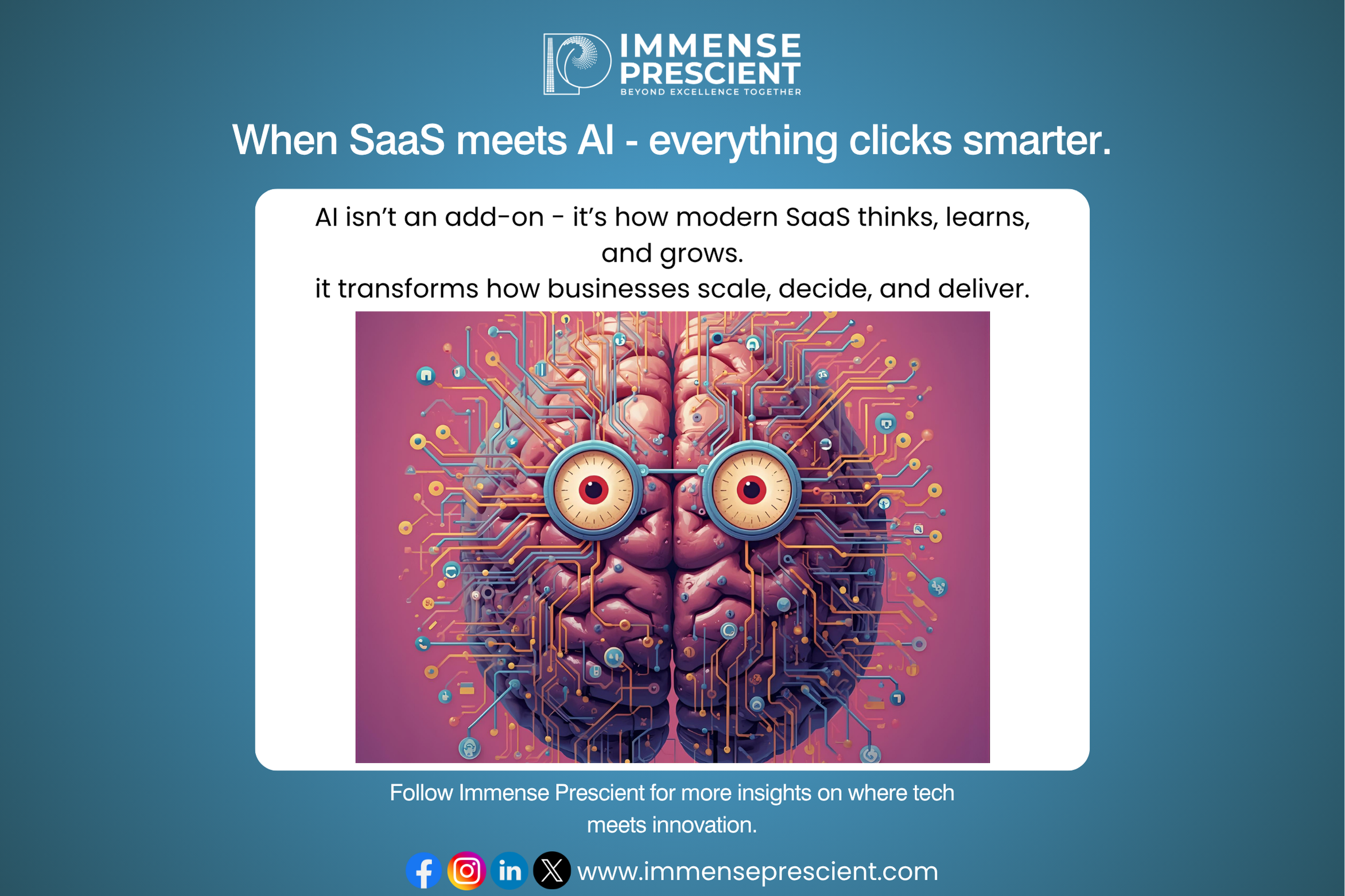
AI has quietly transformed SaaS from a service model into a smart ecosystem
AI has quietly transformed SaaS from a service model into a smart ecosystem that now thinks, learns, and adapts alongside your business needs. This shift affects SaaS decision-makers, IT leaders, and business owners who want to understand how AI-powered SaaS platforms are reshaping their operational landscape.
Traditional software platforms once delivered static functionality. Today’s intelligent SaaS platforms anticipate user needs, automate complex workflows, and provide insights that drive strategic decisions. The SaaS AI integration happening behind the scenes has created interconnected systems that work smarter, not harder.
We’ll explore how core AI technologies driving this ecosystem transformation, moving beyond basic automation to create truly intelligent platforms. Finally, we’ll examine the business intelligence revolution within SaaS ecosystems and the interconnected platform benefits that are give modern enterprises their competitive edge.
The days of passive software tools are over. Welcome to the era of smart SaaS solutions that actively contribute to your business success.
Evolution from Traditional Service Models to Intelligent Platforms
Breaking down silos between previously isolated software functions
Traditional SaaS applications worked in isolations, with CRMs, marketing systems, and financial software unable to communicate. This led to duplicate data entry and made it difficult for businesses to get a complete operational view.
AI-driven SaaS solutions transformed this by creating intelligent bridges between previously isolated functions. Customer data now flows seamlessly across sales, marketing, support, billing, and onboarding without manual effort. These smart SaaS solutions eliminate the traditional barriers that once required expensive custom integrations or manual data transfers.
Real-time data integration across business processes
Modern SaaS platforms now sync data instantly across all systems, eliminating delays and manual updates. AI continuously monitors these live data flows, spotting patterns and anomalies in real time. For example, sudden changes in customer behavior trigger immediate alerts. Operational systems also stay aligned inventory or delivery changes automatically update financial forecasts, preventing the disconnects that older systems struggled with.
Automated decision-making replacing manual workflows
AI now handles many decisions that once required manual work. Support tickets are routed to the best agents based on complexity and workload, while financial tools automatically match purchase orders with invoices and flag exceptions. Marketing systems adapt campaigns in real time, adjusting messaging and timing based on user behavior. These workflows improve continuously as the system learns from outcomes.
Predictive capabilities enabling proactive solutions
AI-powered SaaS platforms now anticipate issues before they occur. Systems predict hardware failures, schedule maintenance automatically, and identify customers at risk of churn long before renewal dates. Predictive analytics also forecast trends, demand, and operational needs, giving teams early warnings and enabling strategic, proactive planning instead of reactive problem-solving.
.
Core AI Technologies Driving the Ecosystem Transformation
Machine Learning Algorithms Personalizing User Experiences at Scale
Machine learning has become the backbone of modern AI SaaS ecosystems, transforming how platforms adapt to individual user needs. These algorithms analyze behavioral patterns, usage data, and preferences to deliver highly personalized experiences.
Intelligent SaaS platforms now create a collaborative filtering and recommendation engines that learn from user actions in real-time. For example, project management tools automatically suggest relevant templates based on team dynamics and project history, while CRM systems prioritize leads using predictive scoring models.
AI-driven platforms have transformed scalability. Instead of manual setup for each user, modern systems can support millions of users at once while still delivering personalized experiences. Machine learning identifies micro-segments automatically, and neural networks predict user needs to surface relevant features proactively. As more users engage, the system becomes smarter and more valuable, creating strong network effects that accelerate SaaS AI adoption and success.
Natural Language Processing Enabling Conversational Interfaces
Natural Language Processing has revolutionized how users interact with smart SaaS solutions, breaking down the barriers between human communication and software functionality. Modern NLP engines can understand context, intent, and nuance in ways that make software interactions feel genuinely conversational.
Voice-activated commands and chat-based interfaces have become standard features across leading platforms. Users can now query databases, generate reports, and navigate complex workflows. These conversational interfaces reduce onboarding time and make features accessible to non-technical users.
Automated Data Analysis Providing Actionable Business Insights
Data analysis automation represents perhaps the most impactful advancement in enterprise intelligent platforms, transforming raw information into strategic guidance without manual intervention. These systems continuously monitor data streams, identify patterns, and generate insights.
AI-powered SaaS platforms now use real-time anomaly detection to spot unusual patterns instantly. Revenue systems automatically identify seasonal trends, churn signals, and growth opportunities while executive dashboards update continuously. Predictive analytics accurately forecast inventory needs, staffing requirements, and market demand.
Automation also extends to reporting. Machine learning models analyze performance across departments, connect unrelated data points, and generate clear, actionable insights not just numbers. These insights flow across the SaaS ecosystem, allowing marketing, sales, and customer success tools to operate on a shared intelligence layer.
Enhanced User Experience Through Intelligent Automation
1. Contextual Intelligence That Accelerates User Productivity
AI SaaS platforms analyze user behavior, project context, and industry patterns to deliver the right tools, templates, and suggestions at the perfect moment. Marketing teams receive proven campaign templates, sales teams get real-time product recommendations, and project managers see optimized timelines dramatically reducing learning curves and increasing execution speed.
2. Self-Healing, Predictive Systems That Minimize Downtime
Modern AI ecosystems constantly monitor performance and automatically resolve issues before users even notice. They detect anomalies, redistribute workloads, correct integration failures, and optimize databases without manual intervention. This reduces operational costs and ensures smooth, uninterrupted performance across all connected applications.
3. Adaptive Interfaces and Seamless Third-Party Integrations
AI personalizes interfaces based on each user’s habits surfacing the right features, adjusting layouts, and optimizing workflows automatically. At the same time, intelligent integration engines keep data synced across CRM, marketing, project management, and billing systems. This creates a unified, connected experience where information flows effortlessly through the entire tech stack.
Business Intelligence Revolution Within SaaS Ecosystems
1. Real-Time Analytics Dashboards for Instant Performance Visibility
AI-driven SaaS dashboards process live data streams and deliver immediate insight into business performance. They automatically highlight the most relevant KPIs based on each user’s role—whether sales, operations, or management. Machine learning detects anomalies, flags unusual trends, and explains shifts in performance, turning reactive monitoring into predictive decision-making.
2. Automated Reporting That Eliminates Manual Data Work
AI-powered platforms now handle the entire reporting process—collecting data, cleaning it, and generating tailored reports for different stakeholders. Natural language processing adds narrative summaries that explain trends and insights, ensuring reports are not just data-heavy but meaningfully interpreted. This removes hours of manual effort and provides consistently accurate, timely intelligence.
3. Predictive Modeling That Forecasts Trends and Identifies Opportunities
Advanced machine learning models analyze historical patterns and external signals to deliver highly accurate forecasts. These predictive insights reveal churn risks, sales trends, market opportunities, and potential operational challenges – well before they become visible. Complex models run automatically behind the scenes, presenting clear, intuitive results that enable data-driven decision-making across the organization.
Interconnected Platform Benefits for Modern Enterprises
Unified data architecture breaking down departmental barriers
Modern AI SaaS ecosystems now create a single source of truth for marketing, sales, finance, and operations Instead of working with disconnected spreadsheets and databases, intelligent SaaS platforms establish unified repositories where information flows seamlessly across departments.
This architectural shift transforms how teams collaborate. Sales data automatically updates marketing attribution models, Finance teams access real-time revenue recognition data and HR analytics integrate with productivity metrics to provide comprehensive workforce insights. The elimination of data barriers accelerates decision-making.
1. Cross-Platform Workflow Automation Boosting Operational Efficiency
AI-powered SaaS platforms automate complex workflows across multiple applications, eliminating redundant tasks and reducing manual work by 40–60%. A single customer inquiry now triggers synchronized actions in CRM, support, project management, and billing – completed in seconds. These systems continuously learn and optimize workflows, identifying bottlenecks before they affect performance.
2. Scalable, Adaptive Infrastructure for Changing Business Demands
Intelligent platforms automatically adjust computing power, storage, and bandwidth based on real-time usage and predicted demand. This ensures smooth performance during seasonal spikes, product launches, or unexpected surges. The system also optimizes costs by reallocating underused resources, ensuring businesses pay only for the capacity they need.
3. Enhanced Security Through Predictive Threat Detection and Response
AI-powered systems monitor user behavior, network activity, and data access across all connected platforms to identify threats before they become breaches. Suspicious activity in one app results in immediate ecosystem-wide alerts and protective actions. Machine learning continuously updates threat detection models, creating a security posture that strengthens over time.
AI has completely changed how we think about software as a service. What started as simple cloud-based tools has grown into interconnected platforms. Machine learning algorithms now power everything from customer support chatbots to predictive analytics dashboards. The real magic happens when these AI-powered platforms start working together. Your CRM doesn’t just store customer data anymore – it predicts which leads are most likely to convert, automatically routes support tickets to the right team members. This shift from isolated software tools to smart, connected ecosystems means businesses can make faster decisions, reduce manual work, and focus on what really matters: growing their company and serving their customers better.